Zirconium and Porcelain Coatings
Zirconium coating is a method preferred by people who have stains on their teeth. These coatings are also known as porcelain.
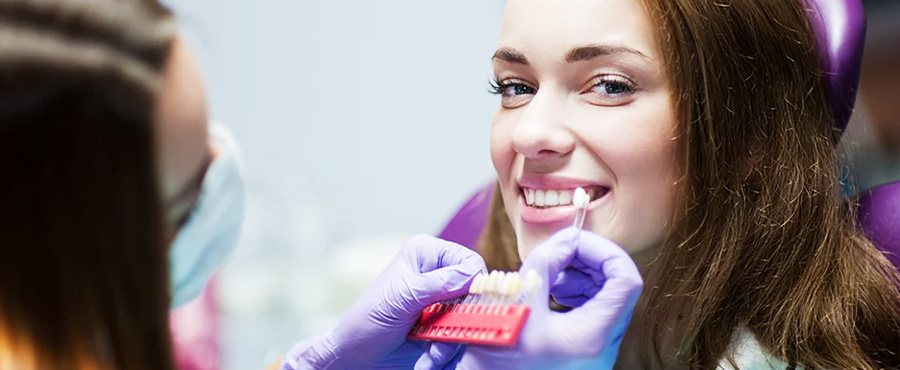
Zirconium crowns are a preferred method by people who have stains on their teeth. These crowns are also known as porcelain crowns. Additionally, these crowns are divided into two categories: metal-supported and metal-free. This method helps teeth appear whiter and is therefore frequently preferred.
It is known that especially zirconium crowns have good compatibility with the gums. After the procedure, it is recommended to pay attention to oral hygiene and be careful.
How Are Zirconium Crowns Made?
First, the problems in the teeth are identified. Then, local anesthesia is applied to the patient and the teeth are reduced to an appropriate size. Afterwards, the patient’s teeth are measured with a soft material. Temporary teeth are fitted for the patient until the zirconium crowns are placed, ensuring the aesthetic appearance is not disrupted.
After the teeth are prepared, they are bonded to the area with a special adhesive. After the procedure, you should not eat anything for the first 30 minutes. Regular check-ups are made afterward.
What Are the Features of Zirconium Dental Crowns?
- They undergo a special firing process making them very strong.
- Resistant to breaking, wearing, and cracking.
- Have a shiny and smooth surface, preventing plaque accumulation.
- Highly resistant to corrosion.
- Allow light transmission like natural tooth enamel, providing a natural look.
- Metal-free, thus preventing allergic reactions caused by metal.
- Can be used for many years.
- Less discoloration compared to natural teeth.
- Compatible with gums, helping reduce bad breath.
How Long Does a Zirconium Crown Last?
The lifespan of a zirconium crown can vary for each patient. Some have been observed to use it for 5-10 years, while others use it for a lifetime. Especially for those who pay attention to dental check-ups and oral health, zirconium crowns maintain their durability for a long time. Overall, it is considered a very advantageous method and thus is frequently preferred. It provides a more aesthetic and healthy smile.
Incompatible conditions and deformities are eliminated with this process, achieving a more aesthetic appearance. If this procedure is not suitable for the patient, other methods can be applied. Details of the patient’s condition are important here.
It is also considered suitable for fully developed individuals. There is no strict age limit. However, individuals in developmental stages have ongoing jaw growth and therefore this should not be applied during that period.
Zirconium Crown Prices
To determine zirconium crown prices, the patient’s condition must be examined in detail, and a thorough examination is required. More detailed information can be obtained after the examination, and the patient’s condition can be treated accordingly. Each patient’s condition is different, and each has different circumstances. Therefore, careful and detailed procedures must definitely be applied.
Problems in the patient’s teeth are identified and a treatment plan is prepared. Some patients may require additional procedures, leading to price variations. In short, treatment plans consisting of different combinations may cause price differences; therefore, a detailed examination should be done first and prices should be determined accordingly.
Porcelain Crowns
Porcelain crowns are a type of dental restoration used to rebuild and improve the appearance of damaged or decayed teeth.
They are made of durable, tooth-colored material that resembles natural teeth. Porcelain crowns are used to cover a damaged or decayed part of a tooth, protecting it from further damage and restoring its normal shape, size, and function.
How Are Porcelain Crowns Made?
The process involves several steps including tooth preparation, impression taking, shade matching, temporary crown placement, crown fabrication, placement, and bonding. During fabrication, a dental technician uses the impression to create a model of the tooth and shapes the porcelain to fit the prepared tooth’s size and shape. The porcelain is fired at high temperatures to make it strong and durable. Once the permanent porcelain crown is ready, it is cemented onto the prepared tooth by the dentist.
Porcelain crowns are an excellent choice for restoring teeth because they are durable, natural-looking, long-lasting, and significantly improve the appearance and function of damaged or decayed teeth.
What Are the Features of Porcelain Dental Crowns?
- Natural appearance: Porcelain crowns are made to resemble natural teeth and have translucency qualities that blend seamlessly with surrounding teeth.
- Durable: Made from high-quality materials, porcelain crowns are durable and can last 10-15 years or longer with proper care.
- Stain resistance: Resistant to stains and discoloration, ideal for improving the look of stained or discolored teeth.
- Customizable: Made specifically to fit each patient’s unique dental needs, shaped and sized to blend with neighboring teeth.
- Minimally invasive: Requires minimal removal of tooth enamel to make space for the veneer.
- Versatile: Used to correct various dental defects like chips, cracks, misshapen teeth, discoloration, gaps, or minor misalignments.
How Long Do Porcelain Crowns Last?
The lifespan depends on quality, patient’s oral hygiene, and wear and tear. Generally, porcelain crowns last between 5 to 15 years with proper care.
To ensure longevity, good oral hygiene habits like brushing twice daily, flossing once daily, and regular dental visits for cleaning and check-ups are important. Avoiding habits like teeth grinding or biting hard objects can also extend the crown’s life.